
Fly Fishing Jacksonville: A Beginner's Guide to Getting Started
Learn to Fly Fish Locally
Book a guided fly fishing trip with Captain Kieran Mooney today!
Published:
Updated:
Fly fishing looks complicated from the outside. The long rod, the looping line and the tiny hand-tied flies make it seem like a sport you need years of practice before you can enjoy. In reality, a beginner can be casting, presenting a fly and catching fish in a single outing, provided the first lessons are done properly. This guide explains what fly fishing involves, the type of water around Jacksonville that suits new anglers, and how working with a guide shortens the learning curve.
What Fly Fishing Actually Involves
The core difference between fly fishing and other kinds of angling comes down to what you cast. In conventional fishing, the weight of the lure or bait carries the line out. In fly fishing, the fly weighs almost nothing, so the line itself does the work. You load the rod with a smooth casting stroke, and the weight of the line carries the fly to the target.
That one idea explains why timing matters more than strength. A good cast comes from rhythm and a well-timed stop of the rod, not from muscle. Beginners who try to force the cast usually end up with tangled line and a fly that lands in a heap. Those who slow down and let the rod flex tend to improve very quickly.
Once the fly lands, presentation takes over. The goal is to make the fly look like something a fish would want to eat, and to place it where a fish is likely to be. That means paying attention to where you cast, how the fly sits on or under the surface, and how you move it. It is a more hands-on, observant way to fish, and many people find that is exactly what draws them in.
The Skills Worth Learning First
A beginner does not need to master everything at once. A handful of basics carry most of the early progress:
- Gripping the rod and managing line so it does not pile up at your feet
- The basic overhead cast, built around a clean stop at the end of each stroke
- Judging distance, so the fly lands where you meant it to
- Setting the hook and handling a fish once it takes the fly
Each of these is simple on its own. The trouble is that bad habits form fast when nobody is watching. A wrist that breaks at the wrong moment or a stroke that is too fast will cap your progress for months. Catching these issues in the first hour is far easier than unlearning them later.
Local Waters That Suit Beginners
Where you learn matters nearly as much as how you learn. Captain Kieran Mooney of Ballistic Bass Fishing works a mix of ponds, man-made retention areas and lakes in the Jacksonville area. For someone just starting out, that kind of water has real advantages.
Smaller, enclosed waters tend to be calmer and easier to read than open water. There is less wind pushing the line around and less current to deal with. You can see where you are casting, watch how the fly lands, and get a feel for how fish respond. That visibility helps a new angler connect what they are doing with what happens next.
Retention areas and ponds also let you practice presentation at shorter, more manageable distances. You do not need a long cast to put a fly in front of a fish, so you can build accuracy before worrying about distance. As your casting settles, lakes give you more room to stretch out and try longer, more varied presentations.
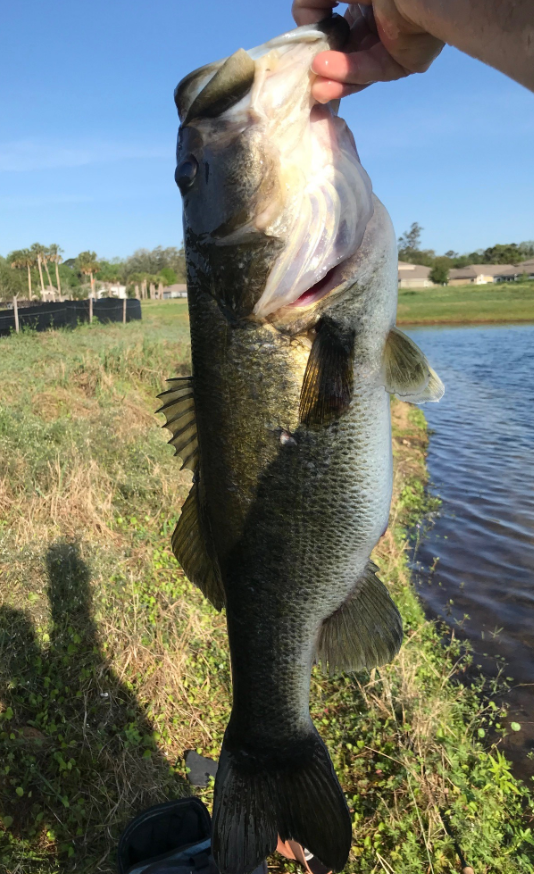
The guide's waters hold bass, trout and other species, which gives a beginner a realistic shot at a fish rather than a long wait for a bite. Landing even one early fish does a lot for confidence, and confidence makes the next cast better.
How Guided Instruction Helps
Learning fly fishing alone is possible, but it is slow. You can read about casting and watch videos, yet you cannot see your own stroke the way an instructor can. A guide spots the small flaw that is costing you distance or accuracy and gives you one clear thing to change.
Captain Kieran has nearly three decades of experience, and his trips are built for all skill levels, including people picking up a fly rod for the first time. Ballistic Bass Fishing runs trips that focus on learning to cast and present a fly with patient guidance, then building accuracy, distance and confidence as your skills grow. That progression matters. A beginner is better served by mastering a clean cast first and adding complexity later than by trying to do everything on day one.
A local guide also knows the water. He knows which spots and which techniques fit the conditions on a given day, so your limited time on the water goes toward fishing rather than guessing. For a beginner, that is the difference between a frustrating outing and one where things click.
Getting Ready for Your First Trip
You do not need to show up with a full kit or any experience. Come with a willingness to learn and a bit of patience with yourself. Everyone's first casts are untidy, and that is normal.
It helps to go in with realistic expectations. Your first outing is about getting comfortable with the rod, learning the basic cast, and understanding how a fly is presented to a fish. Catching fish is a very real possibility, but the larger win is leaving with skills you can keep building on your own.
If you have been curious about fly fishing in Jacksonville, a guided lesson is the easiest way to find out whether it suits you. With the right instruction on the right water, the sport stops looking complicated and starts looking like something you want to do again.